A new tent architecture for the Centro Sportivo Tenero
Project overview
At the Centro Sportivo Tenero, a familiar camping landscape was reimagined through the replacement of the existing tent infrastructure with a new generation of textile structures. The challenge was not simply to renew aging units, but to create a tent architecture that would preserve the spirit of the site while offering a clearly improved spatial and climatic quality.
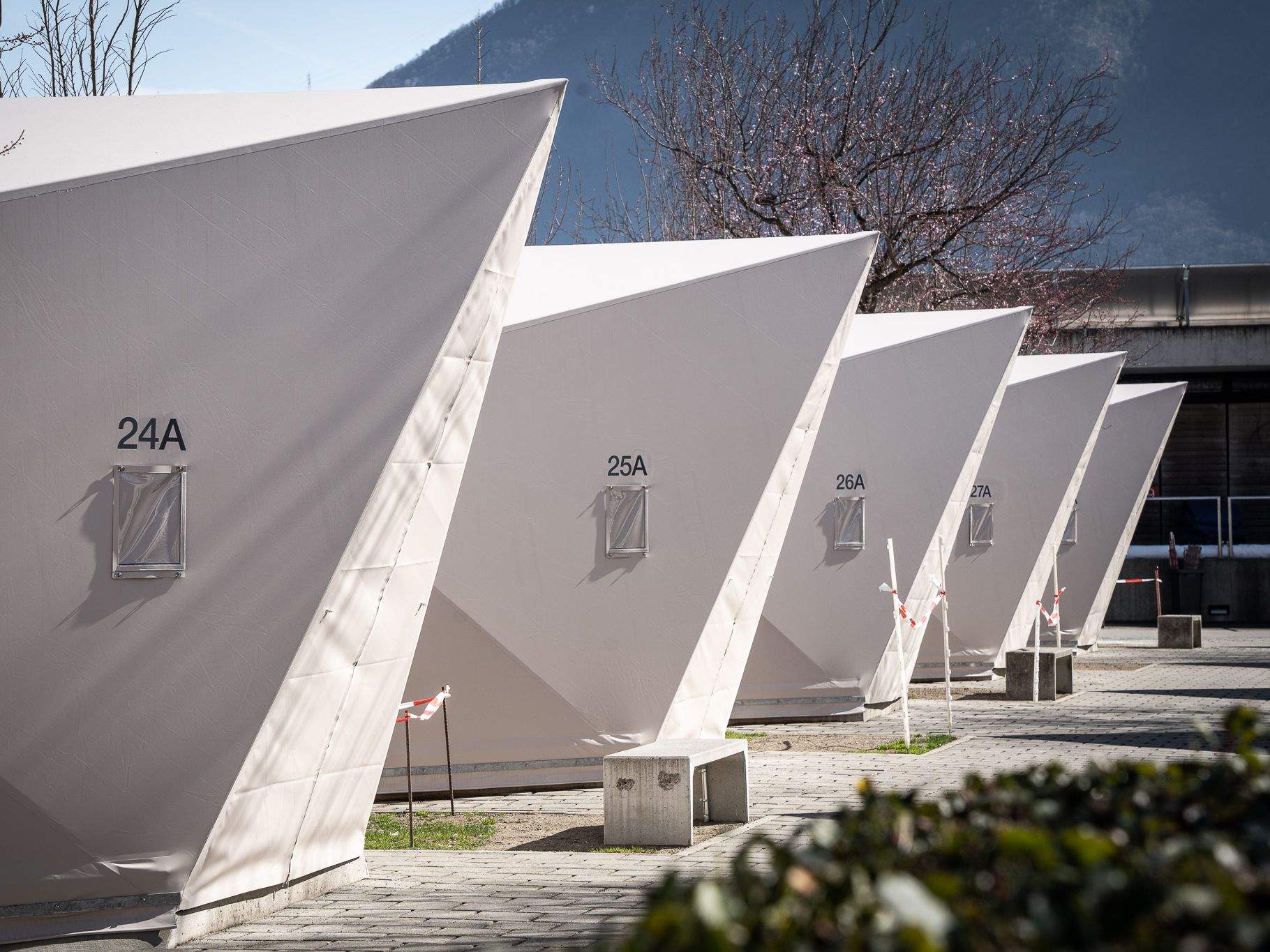
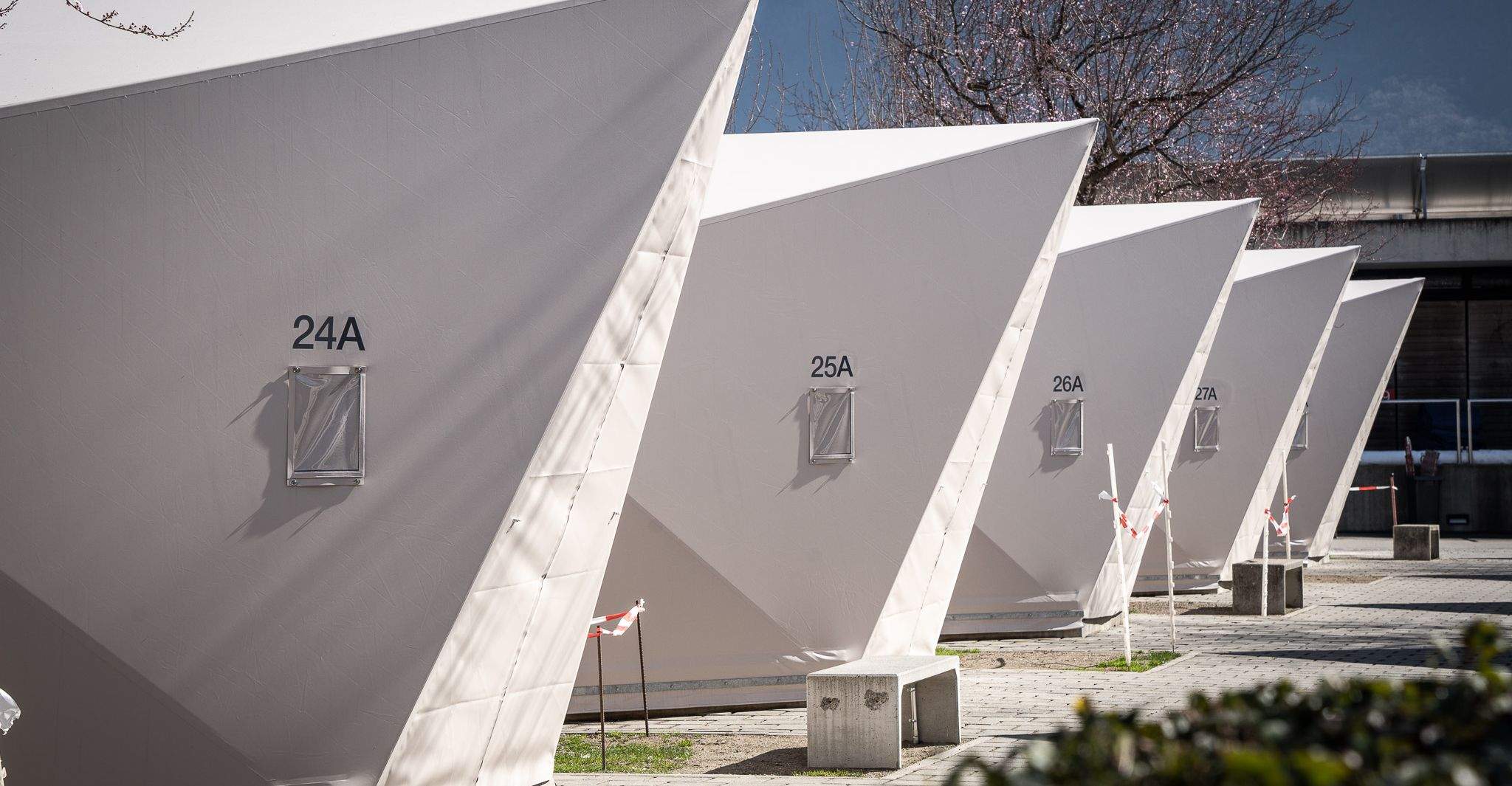
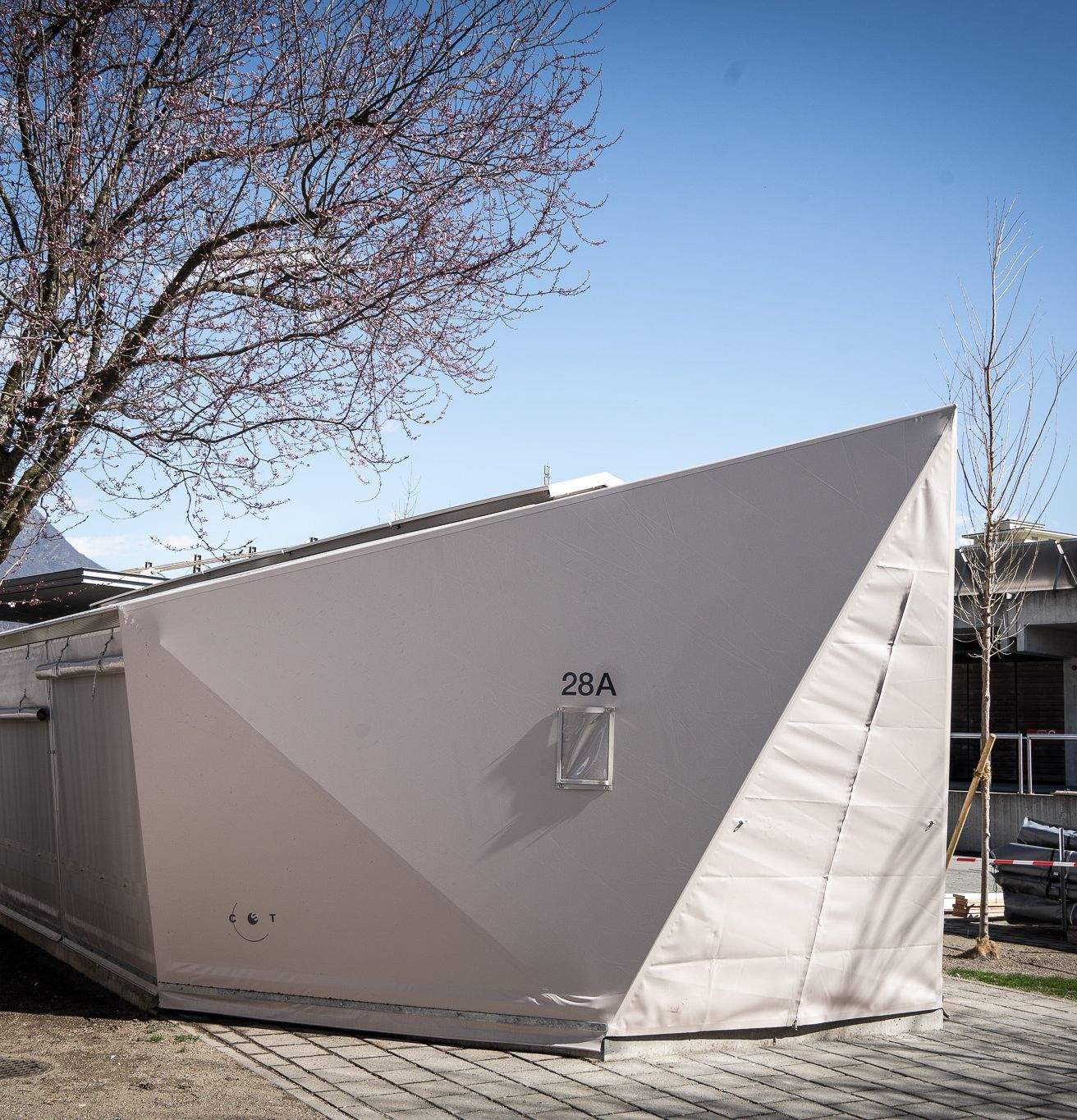
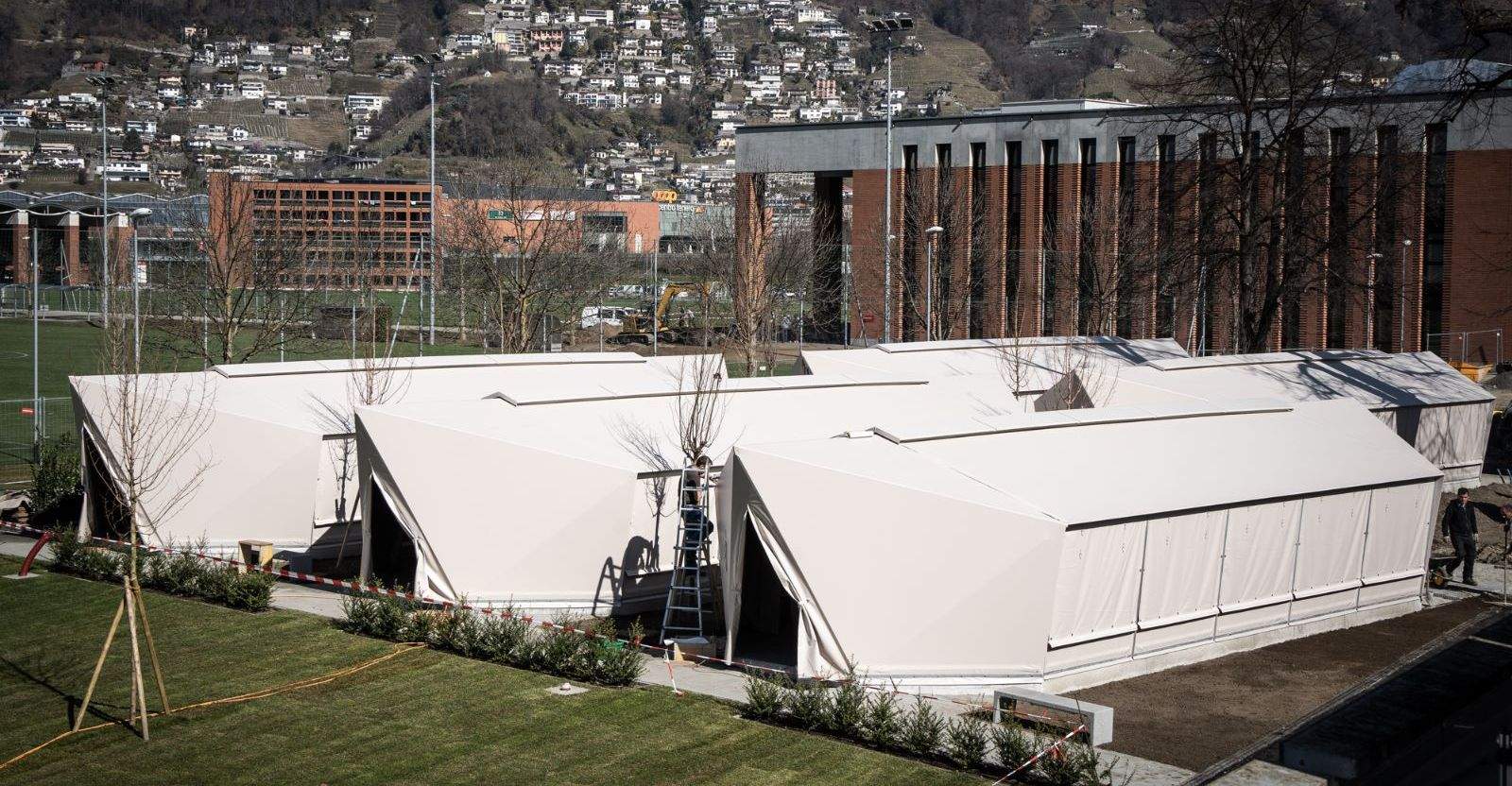
The result is a family of thirty-five new tents whose character is defined by a calm, distinctive geometry and a highly refined textile envelope. Although rooted in the logic of tent construction, the project moves beyond standard solutions and translates principles of membrane architecture into a durable seasonal accommodation system. The tents are light, clear in expression, and technically precise, yet they remain accessible and familiar in use.
Design approach
From the beginning, the project was driven by the ambition to combine architectural identity with passive environmental performance. The new tents were meant to feel open, protected and climatically balanced, even under demanding summer conditions. This led to a design in which geometry, structure and material could not be considered separately.
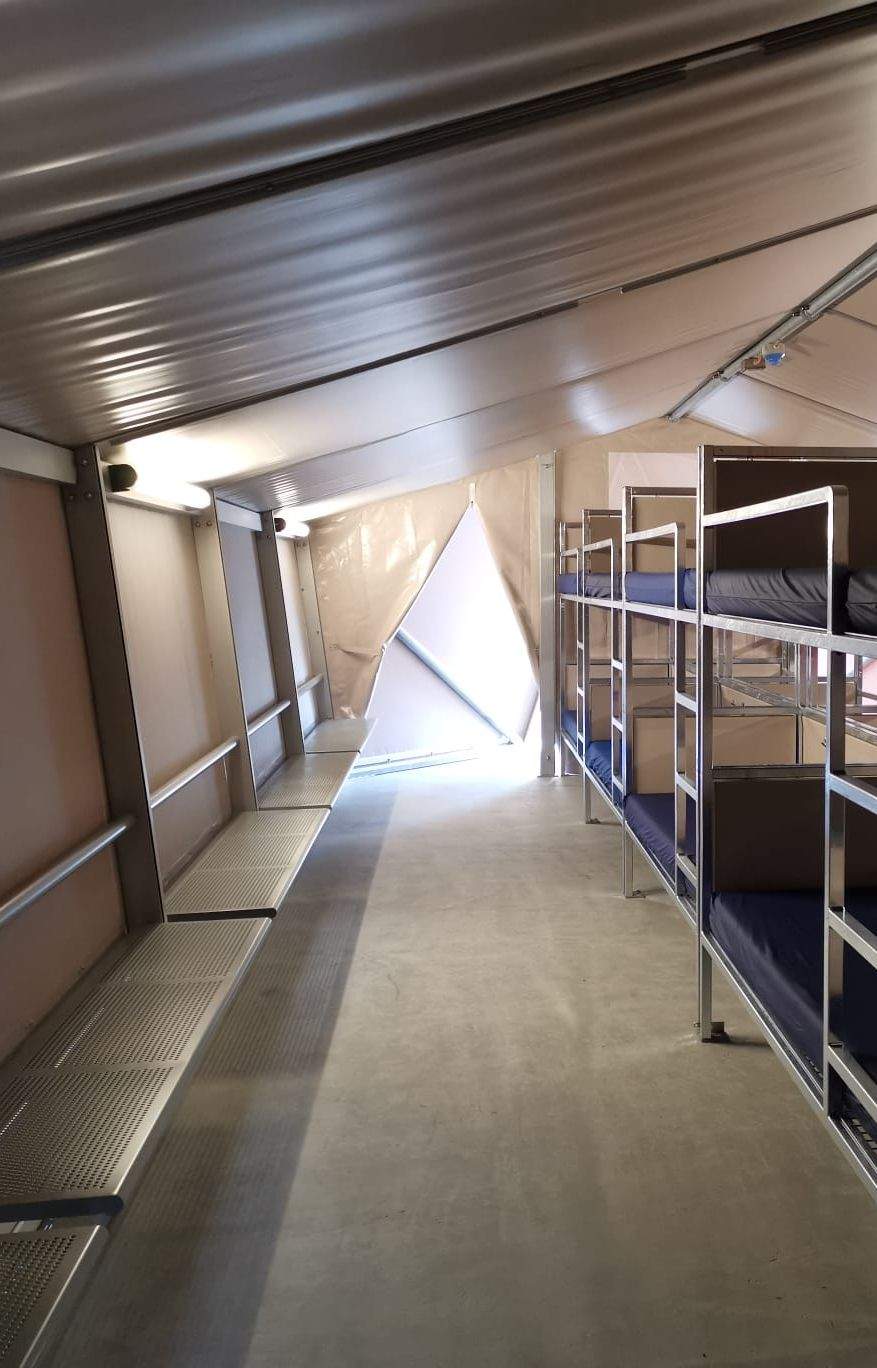
A key architectural decision was to move away from the visual language of the former army tents and to develop a more specific and recognisable form. The final shape creates a stronger identity for the camping area while also improving the spatial organisation of the interior. At the same time, the roof became the central element of the project’s climatic strategy: a layered textile construction that performs not only as a shelter, but as an active moderator of heat and air movement.
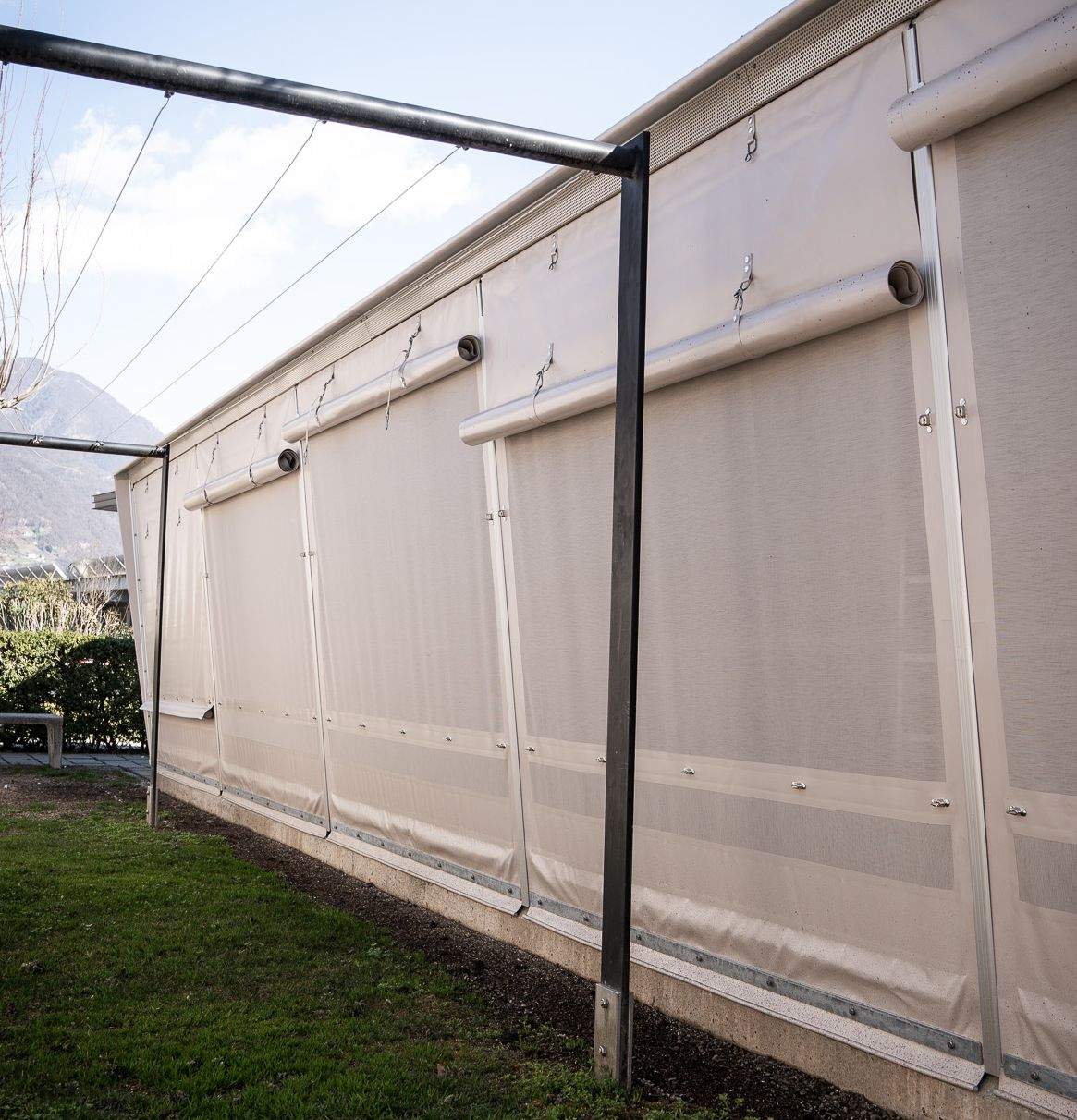
The double-layer roof combines reflective membrane surfaces with a ventilated cavity between the outer and inner skin. This transforms the textile envelope into a passive climate device. Rather than relying on technical systems, the design uses the roof itself to reduce radiant heat gain and to support natural airflow from eaves to ridge. In that sense, the project demonstrates how textile architecture can create environmental quality through form, detailing and material intelligence.
Technical development
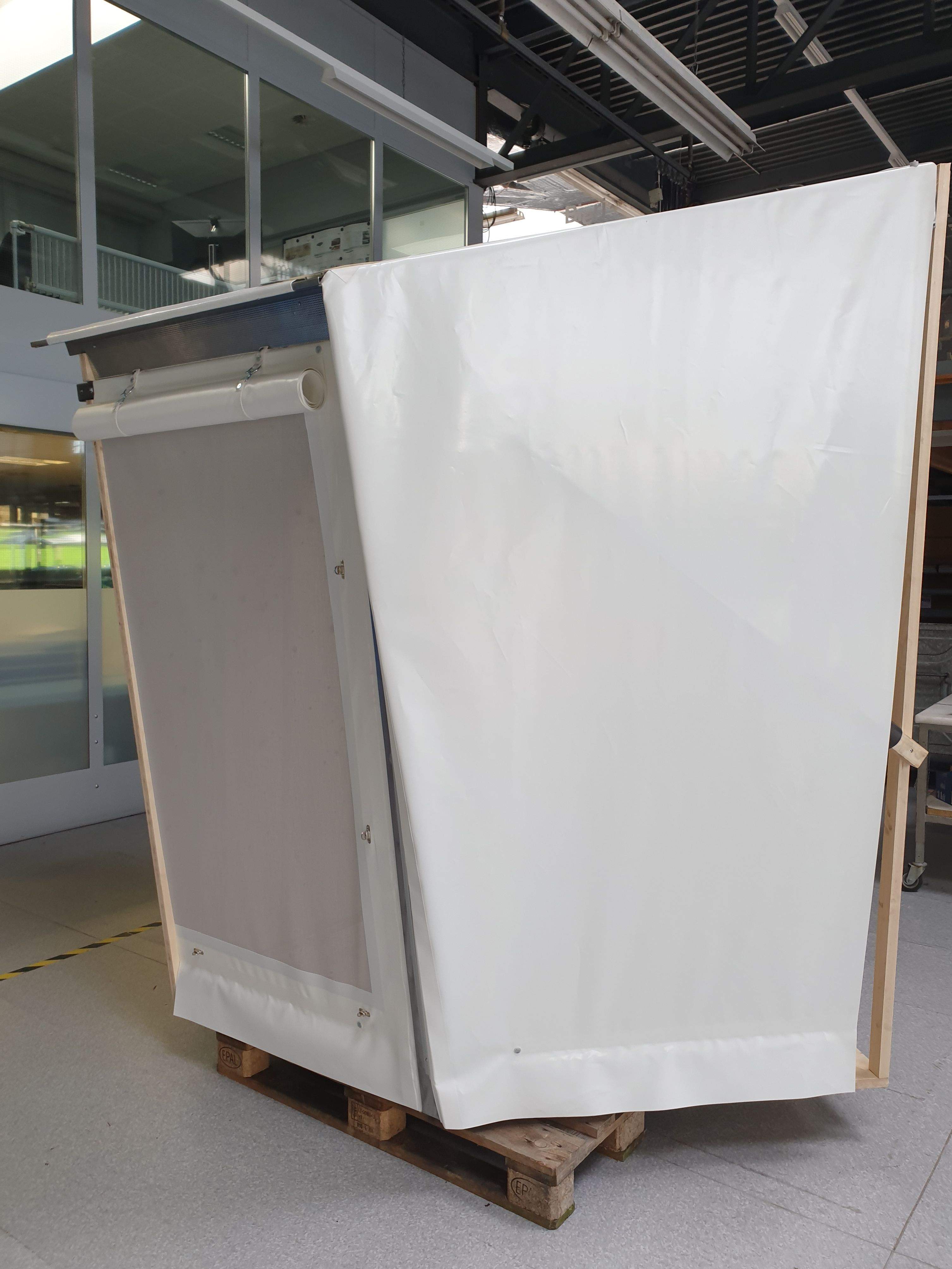
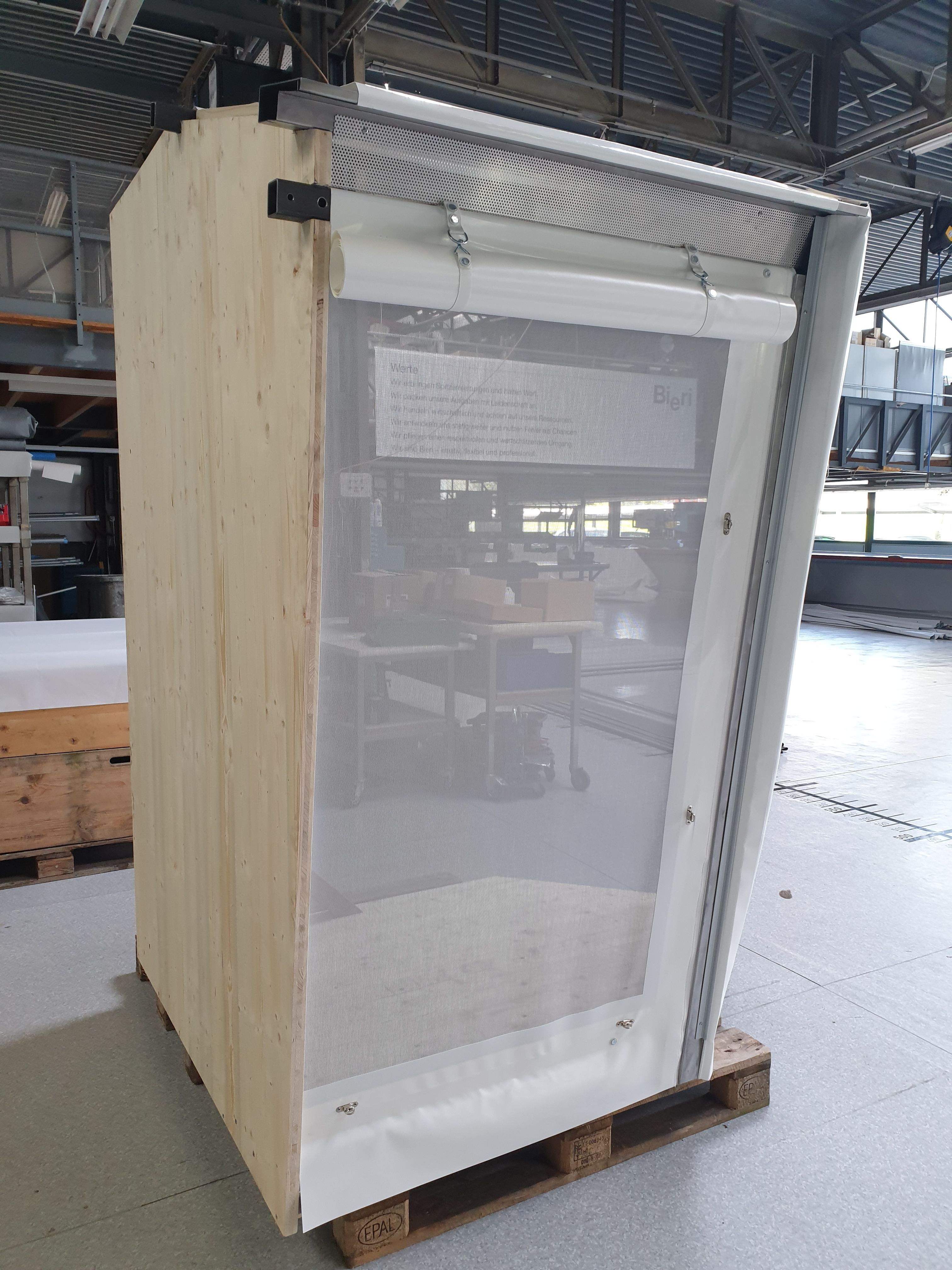
The architectural idea required substantial technical refinement before it could become buildable. Standard tent construction principles provided a point of departure, but the final solution demanded a more specific structural and fabrication logic. The aluminium portal frame, the insert joints, the tensioning details, the ridge ventilation and the eaves build-up all had to be reworked so that they would function together as one coherent system.
Particular attention was given to the interaction between structural behaviour and detailing. The frame was developed as a semi-rigid system, allowing the removal of visible bracing members and supporting a cleaner and more open interior space. The textile envelope required an equally specific response. Because the reflective membrane surface imposed limitations on standard welding methods, several conventional fabrication details had to be rethought and adapted.
This interplay between design intent and technical development was one of the defining qualities of the project. It was not a matter of applying a ready-made tent system, but of carefully transforming a concept into an executable architectural structure.
My role
I was closely involved in the execution-oriented development of the project and carried out the full structural analysis and structural design of the tent system. My work focused on bringing the architectural concept into a technically coherent and buildable form, especially at the intersection of structure, detailing, membrane fabrication and assembly.
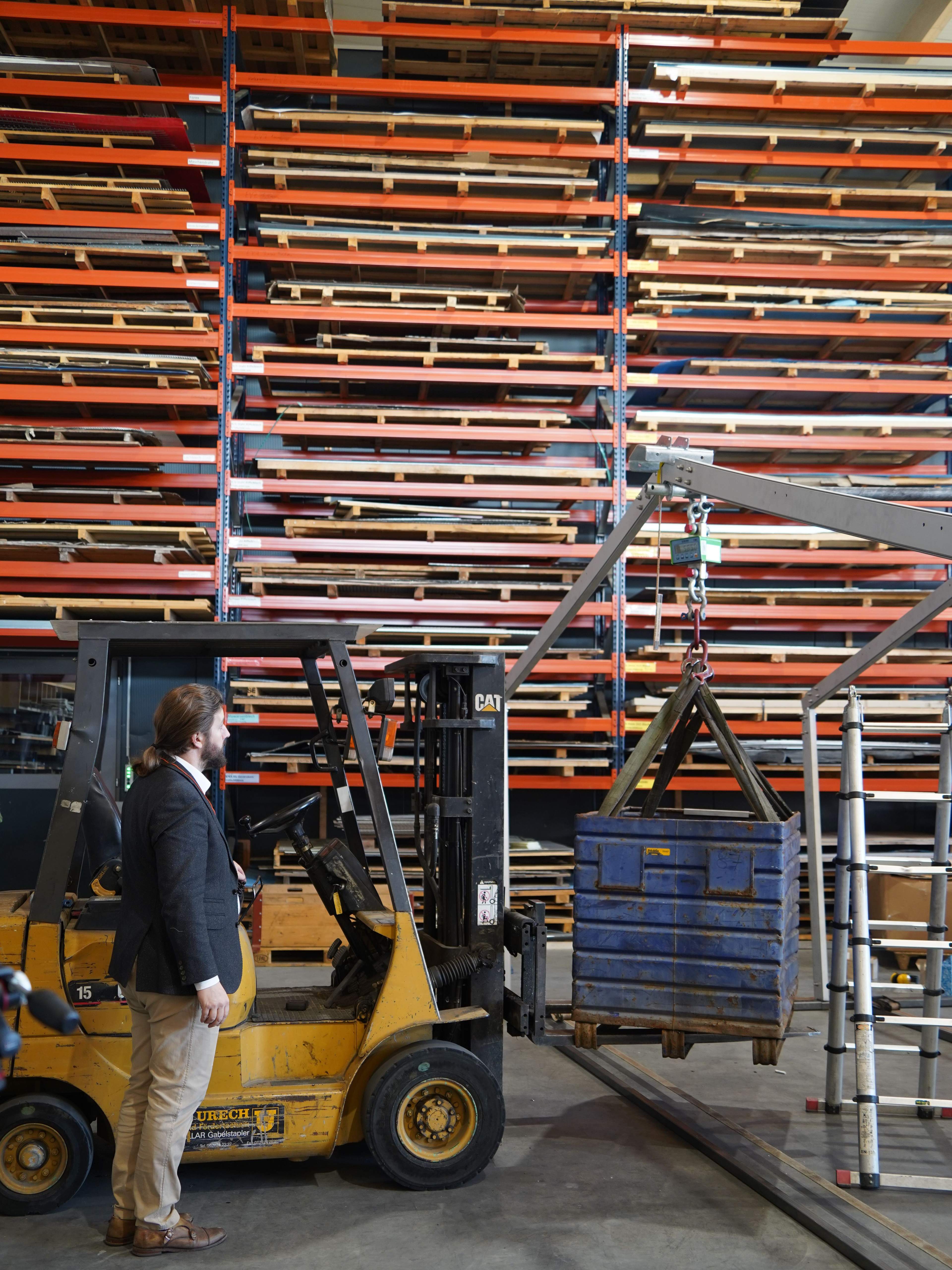
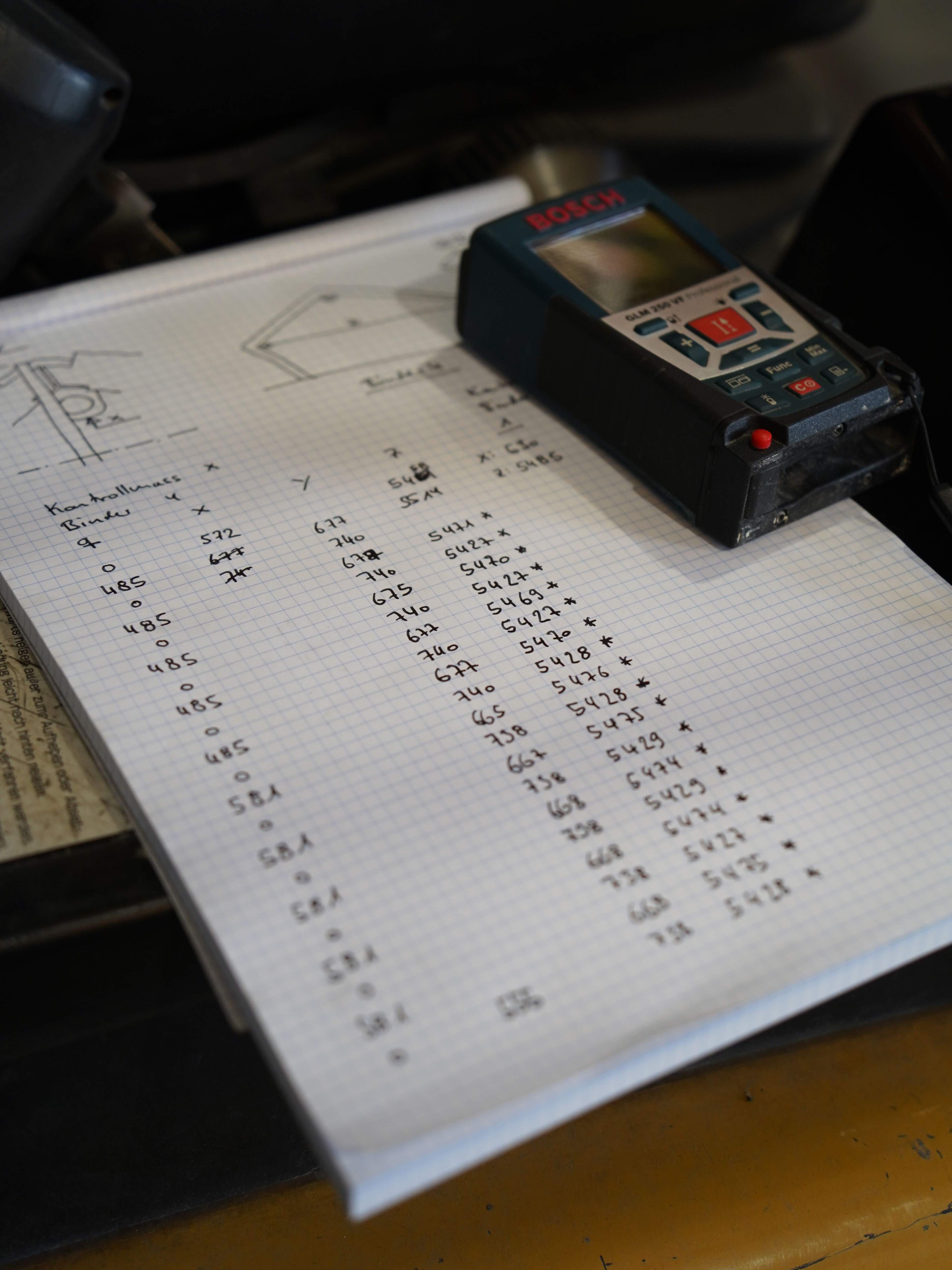
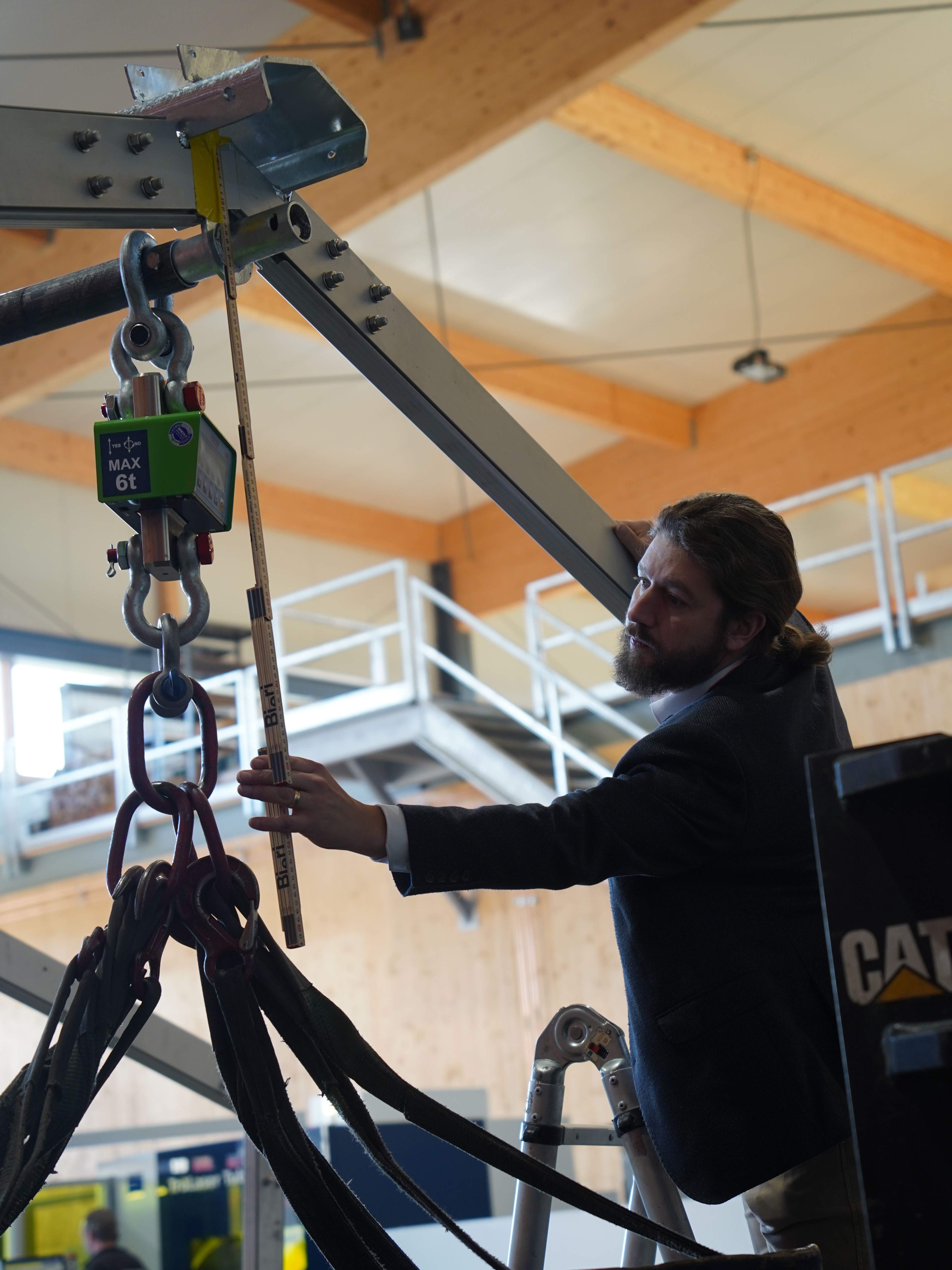
This included the refinement of the structural system, the development of the insert joints, the complete structural analysis and design of the frame, the geometric and structural verification of key details, the use of a 1:1 mock-up as a decision platform, and the adaptation of the membrane detailing to the reflective roof material. I also contributed to the logic of the passive thermal concept and to the translation of that concept into practical detailing and construction workflows.
For me, this project represents exactly the kind of work that is most meaningful: shaping architecture through technical development, and using detailing not just to solve problems, but to strengthen the quality and identity of the built result.
Specifications
Number of units | 35 tents |
Date | 2023 |
Use | Seasonal camping accommodation |
Structure | Aluminium portal frame with steel inserts and semi-rigid joints |
Envelope | Aluminium portal frame with steel inserts and semi-rigid joints |
Climate strategy | Double-layer PVC/PES membrane roof with low-emissivity surfaces and back-ventilation |
Status | Completed |
Results
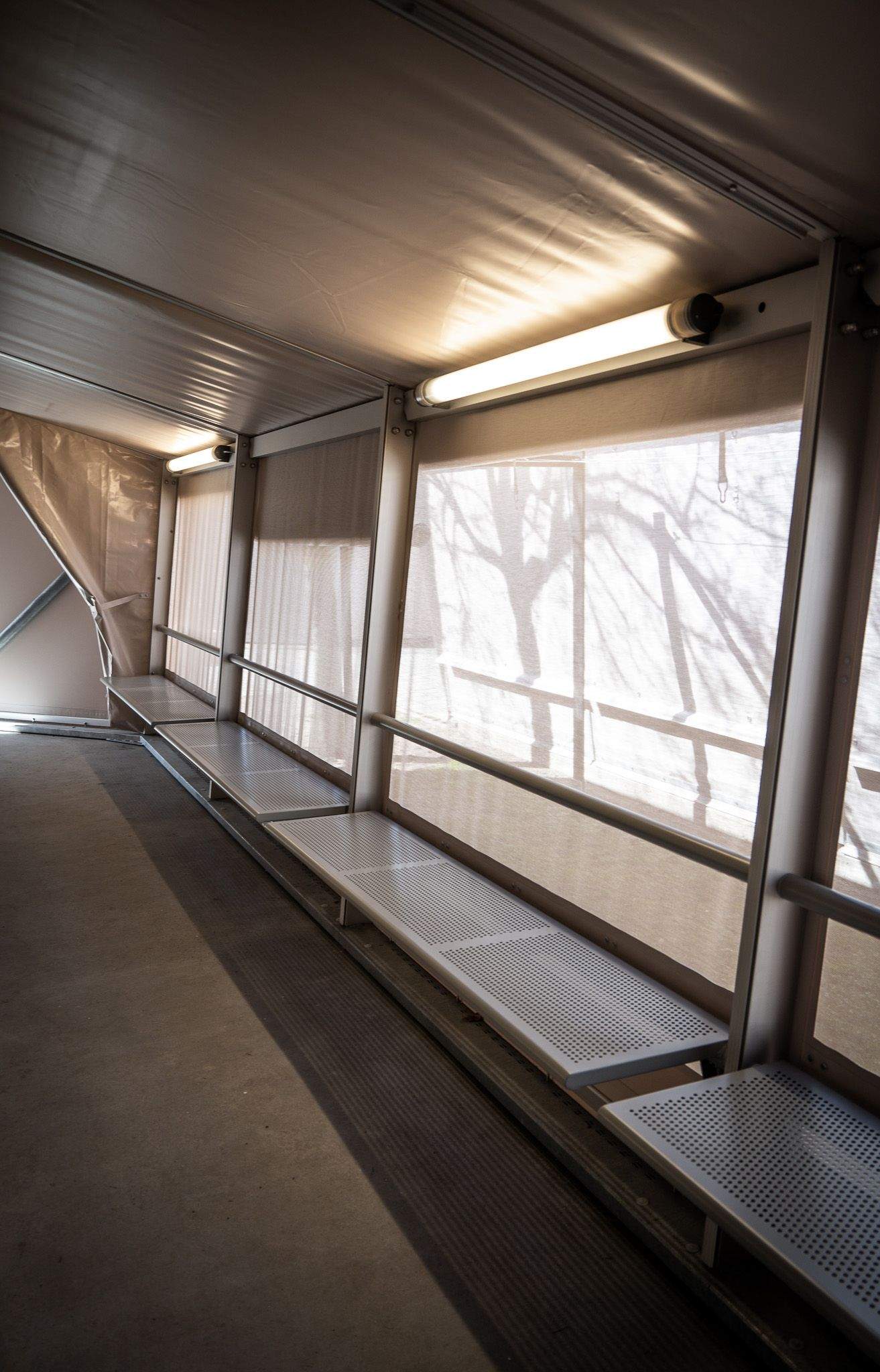
The completed tents show how a lightweight textile structure can be both architecturally distinctive and climatically effective. The project combines a clear formal identity with a high degree of technical integration, creating a type of tent architecture that feels simple in use but is carefully resolved in its underlying logic.
What makes the project especially valuable is that the design ambition is not only visible in the final appearance, but also measurable in performance. Field measurements carried out on the prototype confirmed a substantial reduction in indoor temperatures compared to the former tents. The project therefore stands as both a built architectural work and a case study in how textile structures can improve comfort through passive means.
Note
This project was realised during my time at Bieri Tenta AG. The reflections presented here are based on my personal involvement in the technical development, structural design, detailing and implementation of the system.