My blog
Check out my blog
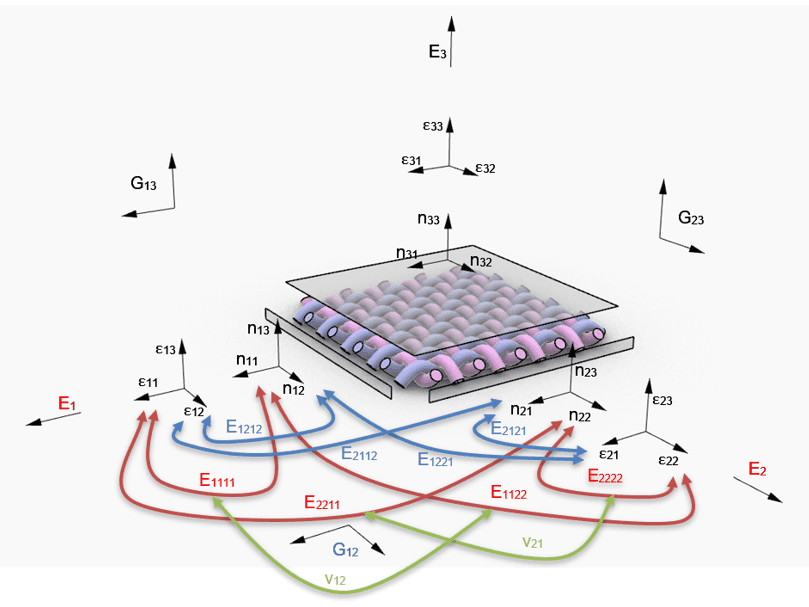
Young’s modulus is often treated as a simple input value. In membrane engineering, it is not. This essay explains why stiffness depends on biaxial testing, load paths, model reduction and the engineer’s ability to read the material.
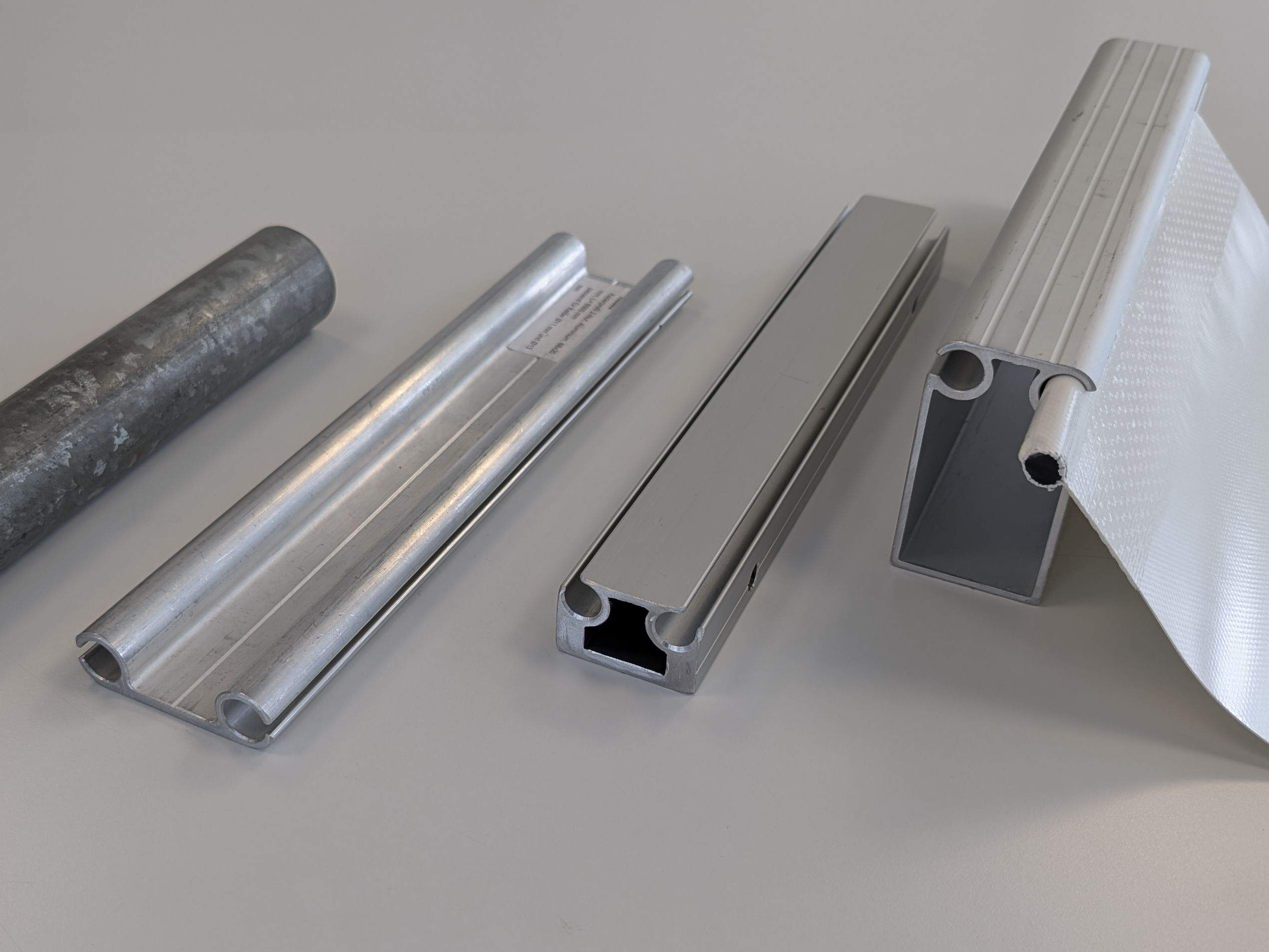
In textile architecture, standardisation is often misunderstood as repetition. But in project-driven practice, a standard can be much more than a finished product: it can be a system logic that allows special cases to be solved efficiently, safely and with architectural quality.
Jun 15, 2026
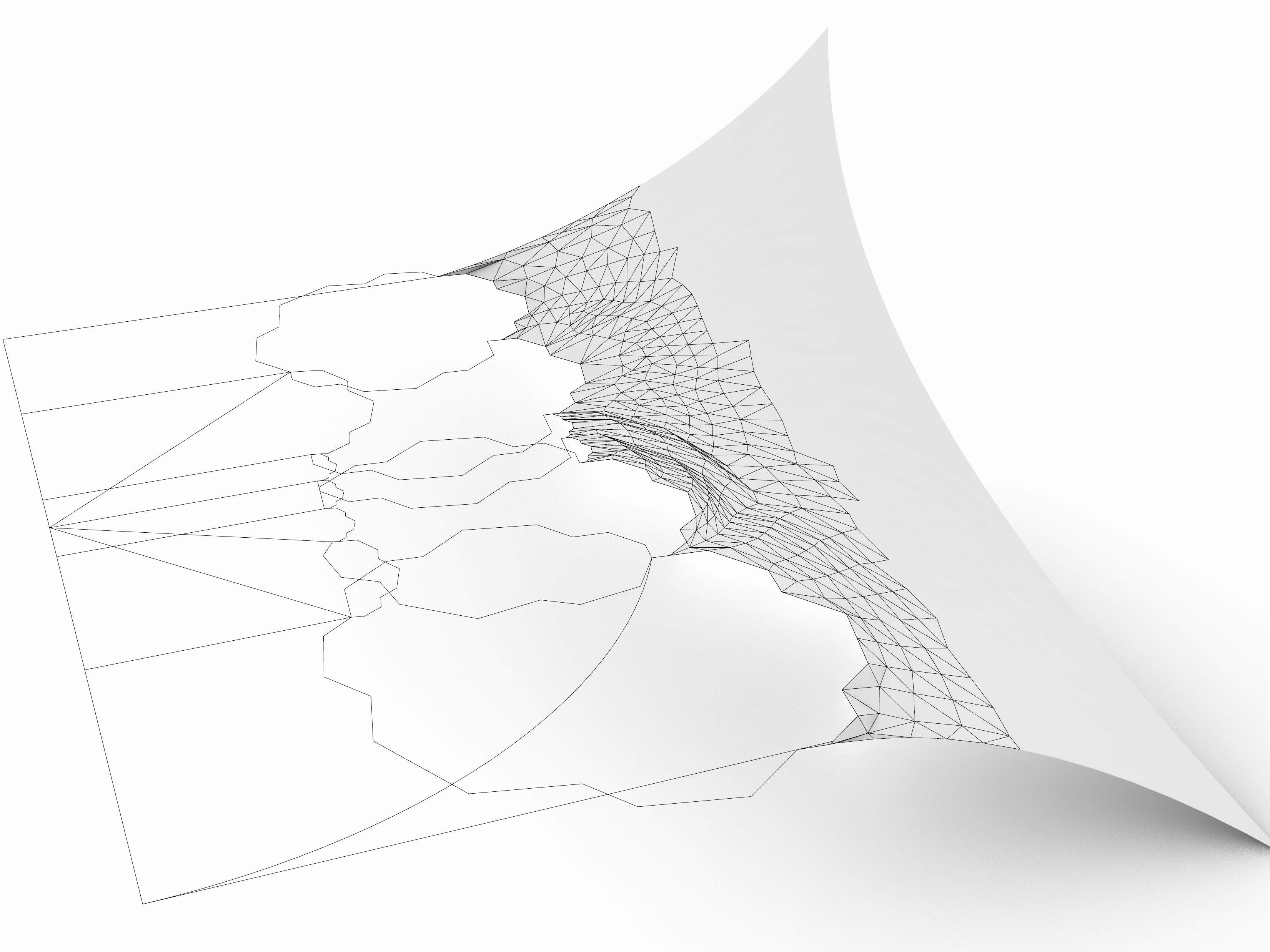
An essay on geometry, form finding and textile architecture — tracing a path from proportion and fractal order to membranes as equilibrium forms and the future of hybrid lightweight structures.
Jun 5, 2026
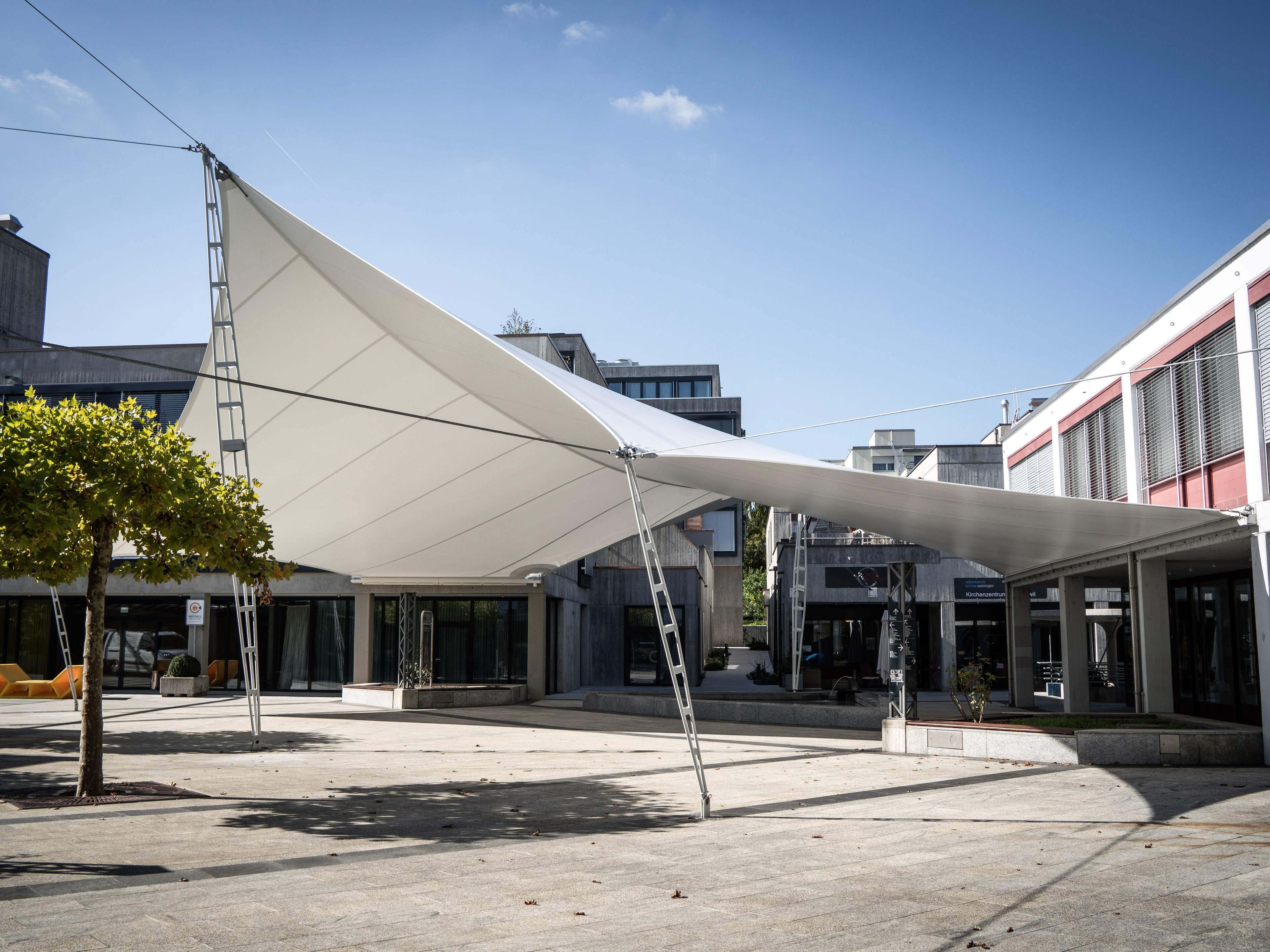
Using the example of a temporary textile canopy in Geroldswil, this article explores how reverse engineering and closer structural analysis made it possible to simplify complex corner details and improve fabrication, installation, and recurring assembly.

Apr 12, 2026
Freeform membrane roofs cannot be assessed with one overall roof pitch. This article shows a practical RFEM, Rhino, and Grasshopper workflow to evaluate local face inclinations, define snow-load zones, and document the assumptions clearly in the structural report.
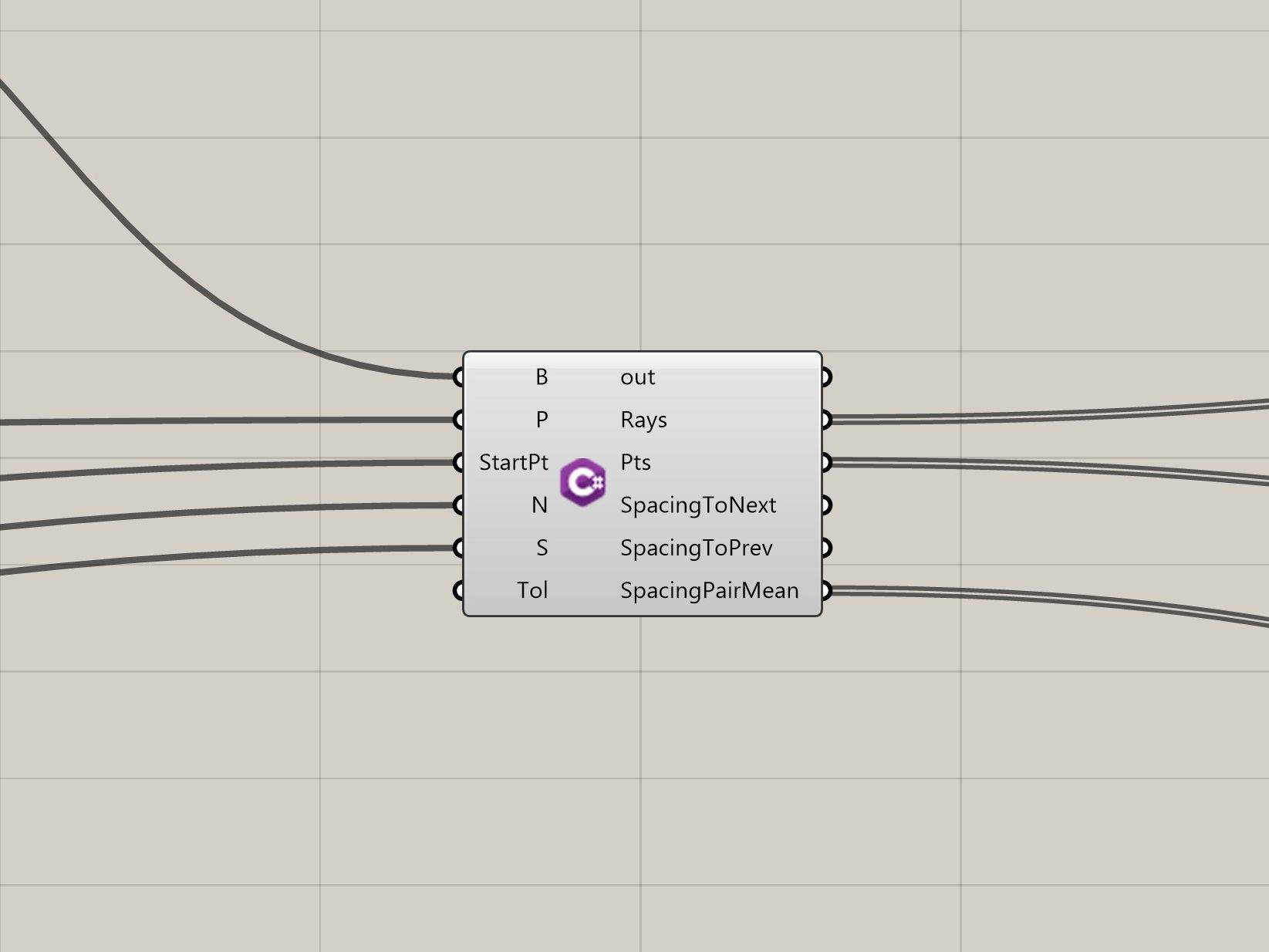
A technical follow-up to the Rapperswil Castle case study: this post explains the geometric logic, Grasshopper workflow, and C# script used to generate a radial helper geometry for fabrication-oriented panel layout.